ServicesSiding
Siding Repair and Replacement in Nashville, NC
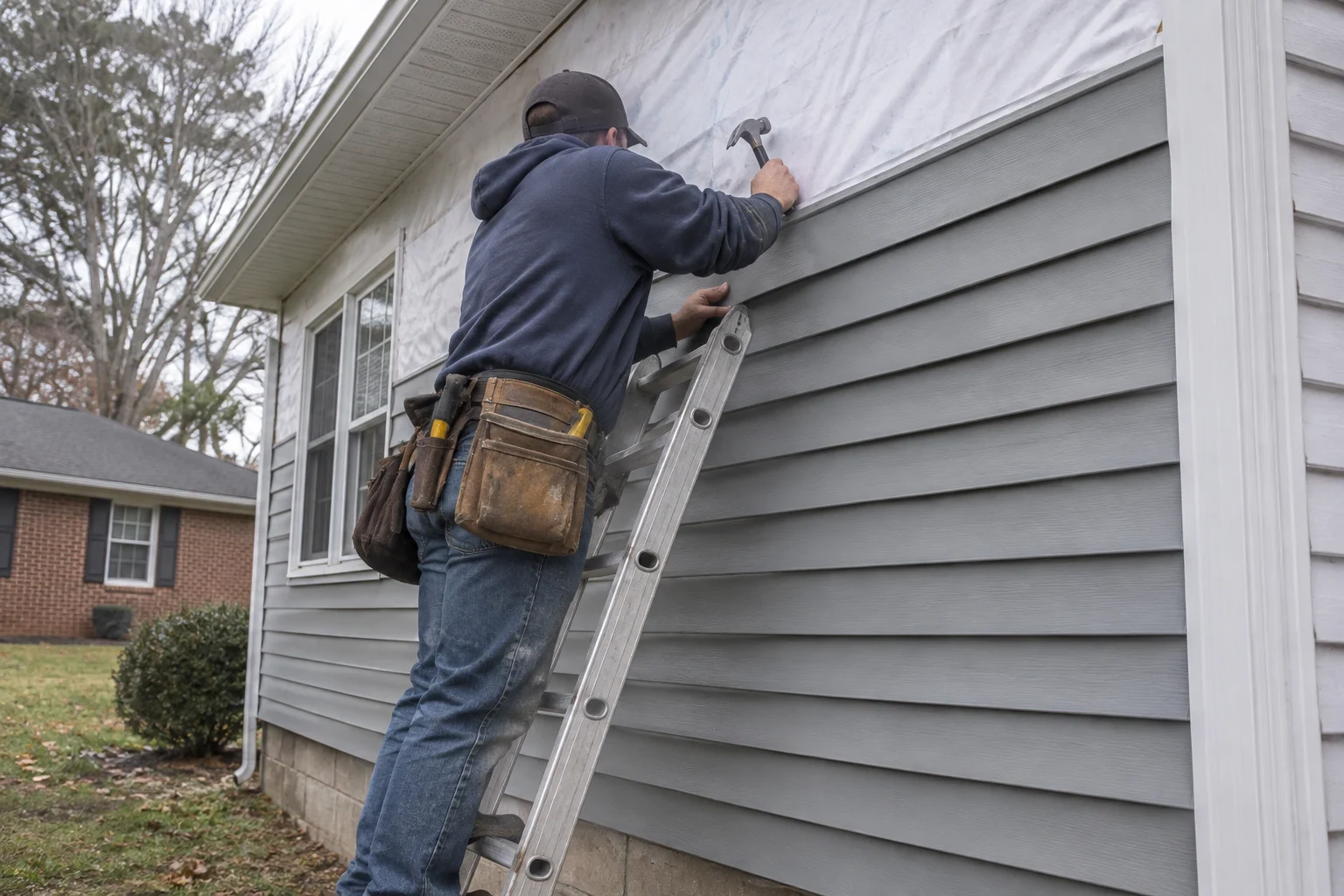
We repair and replace vinyl and fiber cement siding, from a few cracked panels to a full tear-off. Before work starts you get a written scope, a realistic start date and a crew arrival window, and if rain moves the plan, we tell you that day.
What siding actually does for your home
Siding sheds most of the water that hits your walls, but it is not the last line of defense. Behind the panels, house wrap and metal flashing at openings and roof-to-wall joints keep water off the sheathing. Most of the siding failures we open up started with one of those details, not with the panels themselves.
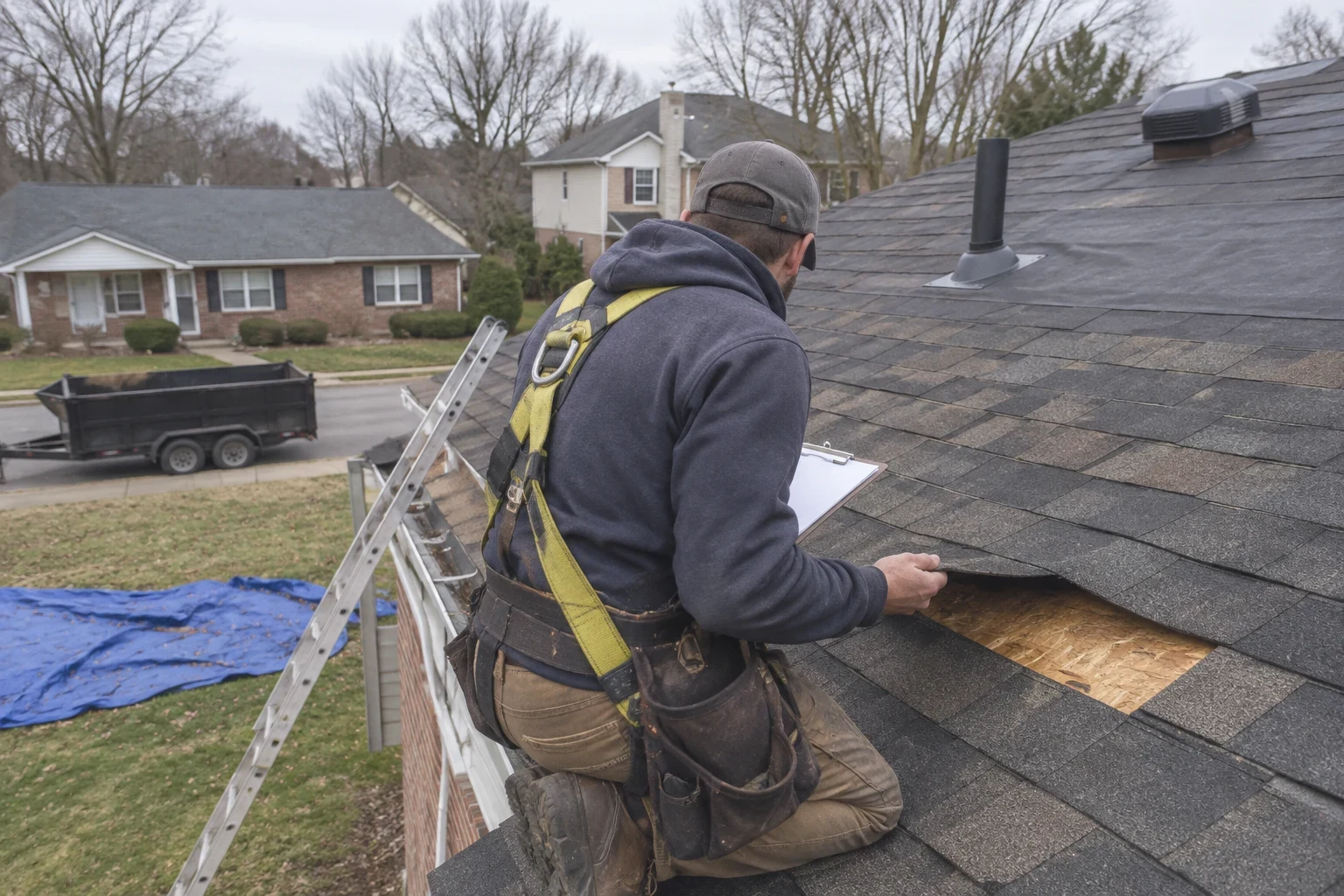
Wind-driven rain from summer thunderstorms and tropical systems pushes water sideways into laps and behind J-channel. Where a roof edge dies into a wall without kickout flashing, water runs straight down inside the wall. A repair makes sense when the damage is limited to a few courses and the panel profile can still be matched. Replacement is the better call when the sheathing is soft in several places or your panel line has been discontinued.
Roofing Nashville is a licensed general contractor in North Carolina, and because we also handle roofs and gutters, we can trace a stained wall back to the roof edge or overflowing gutter that caused it.
What a siding job includes
- Tear-off down to the sheathing
- We open one wall at a time and close it back up before starting on another, so the crew never leaves bare sheathing on your home at the end of a day. Every exposed section of OSB or plywood gets checked by hand, and soft or delaminated pieces are cut out and replaced before anything goes back on.
- New house wrap, lapped correctly
- Wrap is installed shingle-style, upper layers over lower ones, with taped seams. That way any water that gets past the siding drains down and out instead of behind the wrap.
- Flashing at every transition
- We install kickout flashing where roof edges meet walls, step flashing behind siding along sloped roof lines, and head flashing over doors and windows. These small pieces of metal decide whether a wall stays dry.
- Panels installed to the maker's specs
- Vinyl is nailed in the center of the slots and left slightly loose so it can expand in summer heat without buckling. Fiber cement keeps its required clearances, about 6 inches above grade and 2 inches above roof surfaces, so the cut edges do not wick water.
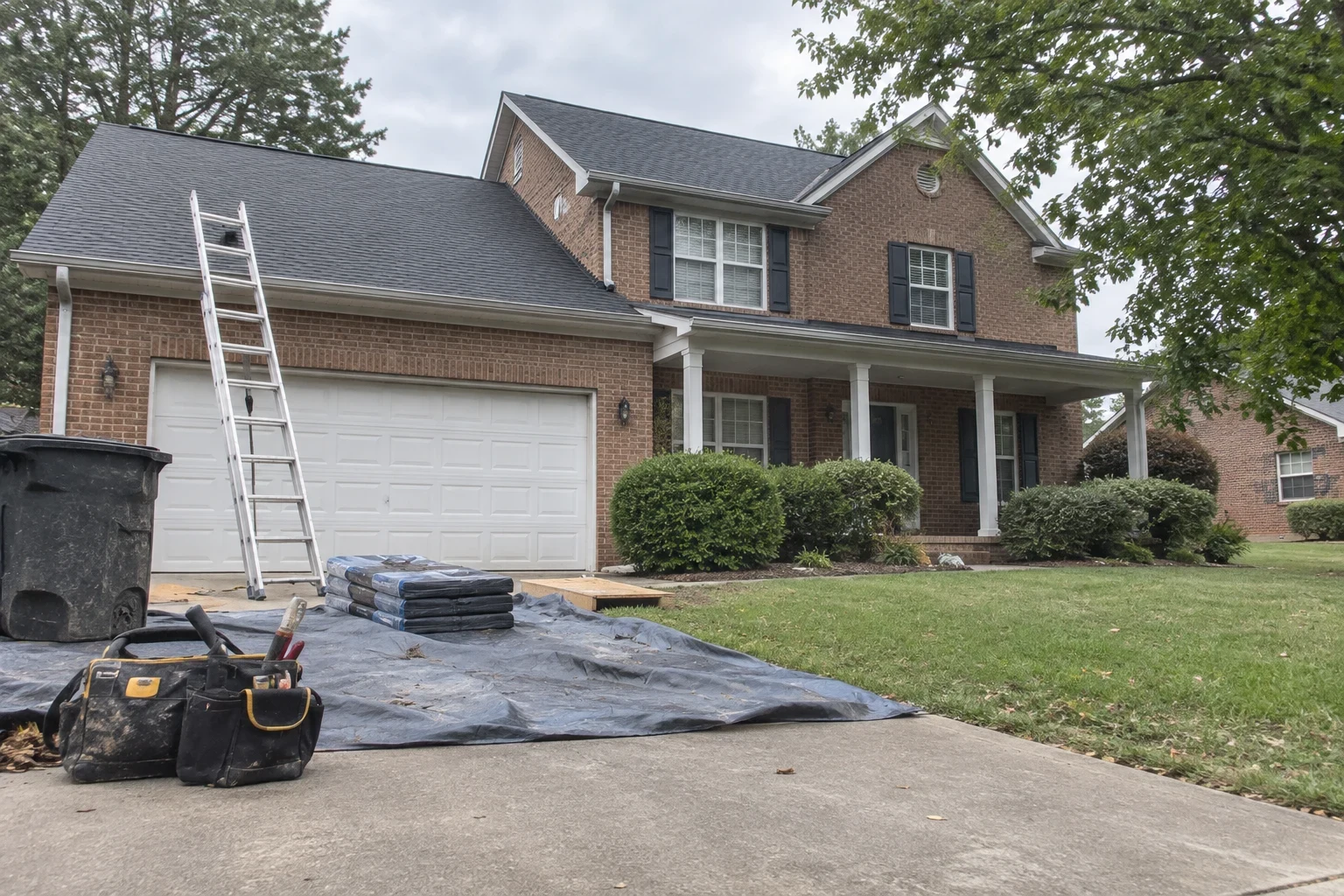
- Cleanup and a magnet sweep
- Scrap goes into a dumpster or trailer each day, and we run a magnetic sweeper across the yard and driveway for nails before we leave.
Signs your siding needs attention
Warped or wavy vinyl
Panels that bow outward were usually nailed too tight, so they cannot move with temperature changes. Once warped, they rarely lie flat again.
Soft spots when you press the wall
Give under a panel means the sheathing behind it has been wet long enough to break down. That calls for opening the wall, not just new panels.
Dark streaks below a roof edge
Staining or mildew that starts where a roof meets a wall often points to missing kickout flashing or a gutter spilling over.
Panels loose or missing after wind
Unlocked courses let rain hit bare wrap. Have them checked soon, since one gap lets the next gust lift the panels around it.
Swollen edges on fiber cement
Puffy, crumbling bottom edges mean the board is sitting too close to soil, mulch or a roof surface and soaking up water.
How a siding job runs
- 1
Inspection and photo report
We walk every wall, probe suspect areas and photograph what we find. You get those photos with a plain explanation of what failed and why.
- 2
Written scope and a real start date
Your estimate lists materials, trim and flashing line by line. We give you a start date and a morning arrival window, and we schedule around the forecast, since wrap and fiber cement should not go up in steady rain.
- 3
Work wall by wall
Each wall is stripped, repaired, wrapped and closed up before the crew moves on. A typical single-story home takes a few working days; if weather or hidden rot changes that, we call you with the new timeline and the reason.
- 4
Final walk-through
We walk the job with you, check every corner, flashing and trim piece, and leave the yard clean.
What moves the cost of siding
Siding is priced by the wall area covered and by the details around it. The panel itself is often a smaller share of the cost than the trim, flashing and sheathing work. Your written estimate breaks each of these out on its own line, and we check with you before replacing any sheathing beyond what was quoted.
- Wall area and height
- Square footage sets how many panels, how much wrap and how many labor hours the job needs. Gable ends and upper-story walls call for staging or tall ladders, and that setup time is part of the price.
- Vinyl or fiber cement
- Fiber cement costs more to buy and takes longer to cut and fasten. It also needs specific clearances and caulking at joints.
- Condition of the sheathing
- Rotted OSB or plywood has to be replaced before new siding goes on. We cannot know the full extent until the old panels come off, so we price it per sheet.
- Openings and corners
- Every door, window, inside corner and roof-to-wall joint calls for its own trim and flashing. Two walls of equal size can be priced quite differently if one is broken up by several openings and the other runs uninterrupted.
Siding questions we hear
Something not covered here? (252) 580-4799
Can you match my existing siding for a small repair?
Often, yes. We check the profile, exposure and color against what is still manufactured. Older vinyl fades, so a new panel can look slightly different; one option is moving original panels from a less visible wall to the front and putting new ones in back.
Will insurance cover storm damage to my siding?
If wind or hail damaged it, it may be covered under your homeowner's policy. We document the damage with photos, meet your adjuster on site and help you through the claim. The adjuster and your insurer make the coverage decision.
Should I do siding and the roof at the same time?
When the shingles and the siding are both close to wearing out, handling them in one project lets us set step and kickout flashing properly where the roof meets the walls. Done separately, the second crew has to tuck new metal under or around old material. We can look at both on one visit and price each as its own line item.
How long will my home be torn up?
Each wall is closed up the same day it is opened, so nothing sits exposed overnight. Most homes take a few working days total, and you will know the expected finish date before we start.
Do you offer financing?
Yes. Financing is available through Acorn Finance. Ask about it during your call and we will walk you through the basics before your inspection.
See what your walls are hiding
We will check each side of your home, take photos of anything we find and tell you plainly whether a repair or a replacement fits. If you want to go ahead, you also get a start date you can actually plan around.